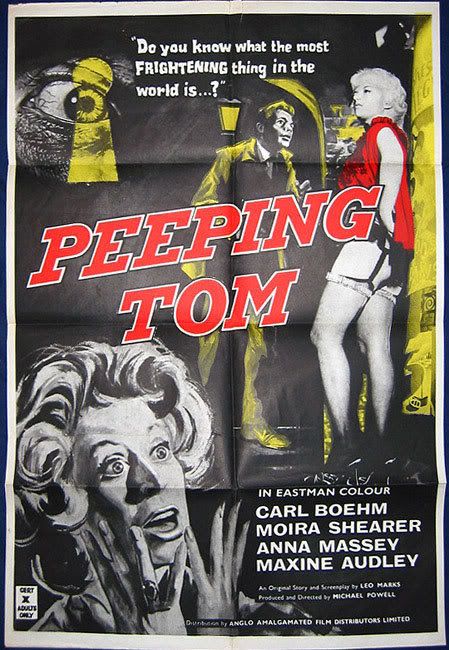
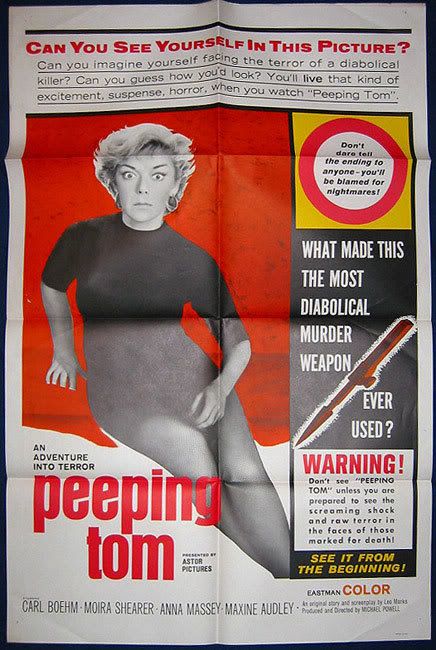
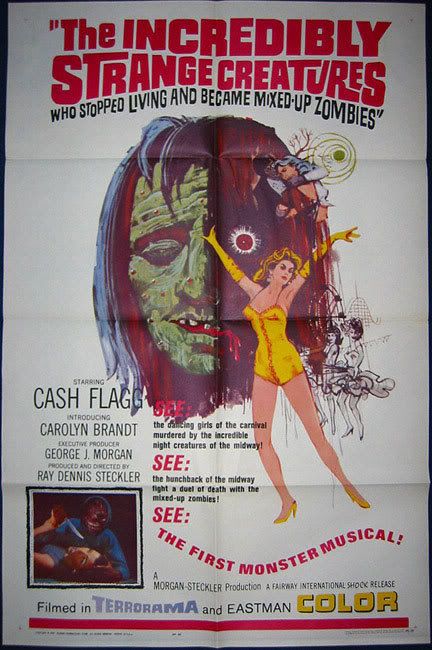
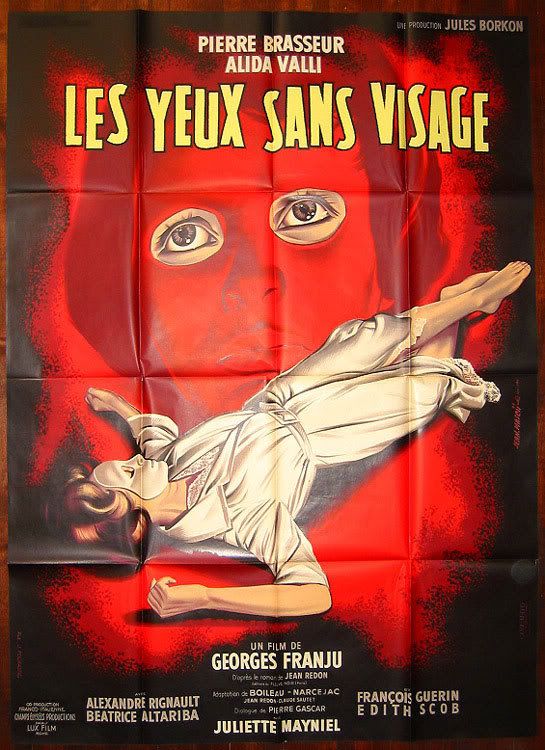
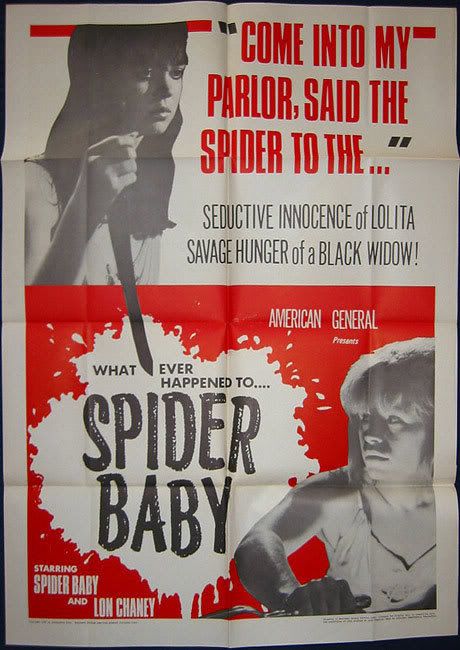
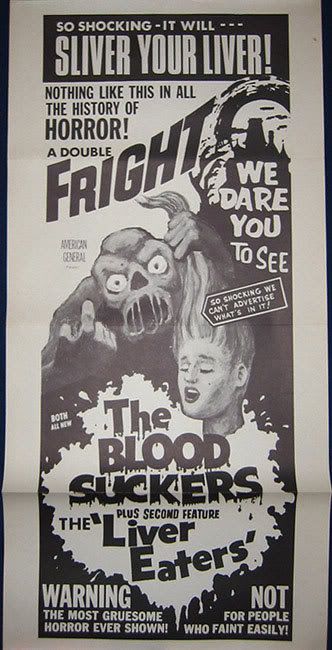
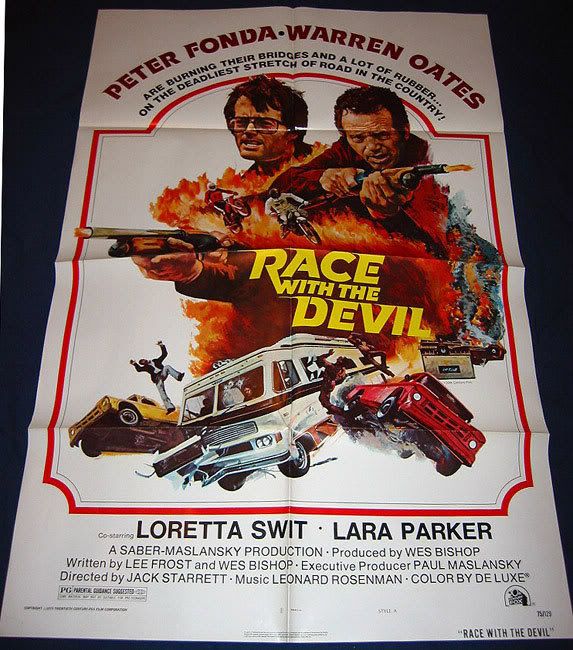
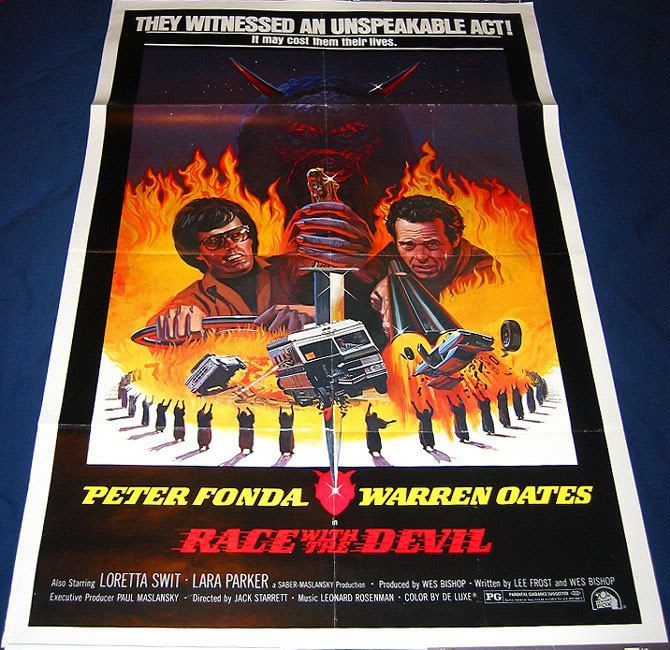
Meanwhile, read about his collection of posters, particularly this fascinating look at restoration and linen backing.
PS - Rumor has it that he even knows a certain Swedish actress known for her role as a one-eyed avenger...


 Kick-ass car chase from the 1976 Italo-actioner Blazing Magnum, starring Stuart Whitman, Martin Landau and Carole Laure! Spot the Montreal streets and neighbourhoods getting pummeled by muscle cars in this grimy but punchy sequence...now if only I could find the karate-chopping transvestite gang rooftop fight scene this picture also contains! I feel so patriotic right now.
 Looks like Radley Metzger had a hate-on for Eva Perón. Sure, he transplanted the story to Europe for the movie but this is obviously modeled on the life and rule of the First Lady of Argentina. Behold the sleazy, too-brief trailer for Little Mother (aka Blood Queen), based on the anti-Peronist biography 'The Woman With A Whip', starring Christiane Kruger, daughter of Hardy.


 played by future George W. Bush look-alike Timothy Bottoms) and Fun With Dick And Jane, the broad satire of the middle-class seventies American dream (written by Mordecai Richler) with Jane Fonda and Ed McMahon (sic). Segal was as much of a ubiquitous male lead in seventies American cinema as Donald Sutherland or Elliott Gould (Segal was even in Altman's California Split), but his skill with both comedy and drama may have led to his eventual marginalization as a leading man as the seventies wound down; that and some bad career decisions (turning down the lead in Blake Edwards' 10, for example) led to a future plucking the banjo on Johnny Carson's couch while promoting TV movies like The Zany Adventures of Robin Hood co-starring Morgan Fairchild (sic). Yes, it had come to this.